
Writing Along Together
The Power of Writing Together Alone: Watching Lives Change Through Guided Autobiography
As a Guided Autobiography (GAB) facilitator, I’ve had the privilege of watching people evolve, discover themselves, and grow closer—not only to each other but also to the person they’ve been all along. Every time I lead a new group, I’m reminded of the power of storytelling to heal, connect, and transform lives.
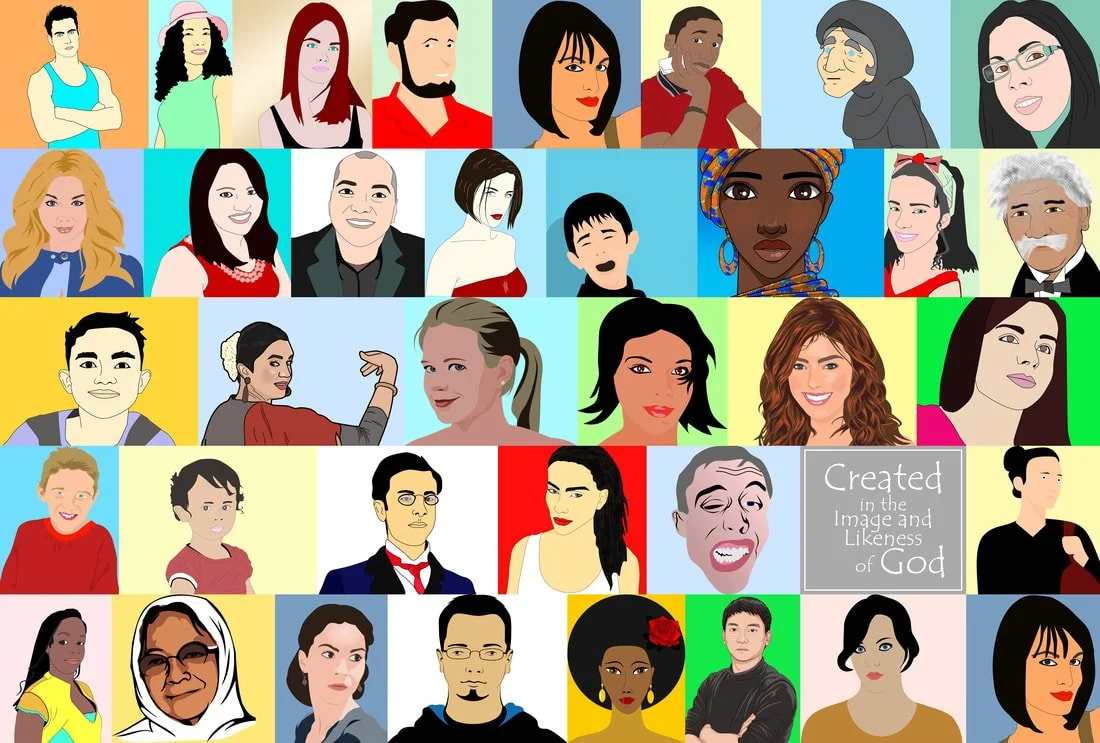
Guided autobiography isn’t just about writing down memories; it’s about unlocking parts of ourselves that we’ve forgotten or perhaps never even realized were there. It’s an intimate process where individuals, often strangers at first, come together to write on the same themes. But here’s the beauty: everyone’s story is completely unique. And yet, despite the differences in age, culture, gender, or background, by the time we’re done, those differences no longer seem to matter.
Seeing People Discover Themselves
One of the most rewarding parts of facilitating GAB is watching people discover new facets of themselves. I see it time and again—a participant who starts off unsure, hesitant, maybe even shy about sharing, slowly opens up as they begin to write. They start to uncover moments they hadn’t thought about in years. Moments that shaped them but perhaps were buried beneath the rush of everyday life.
I remember one woman, a 27-year-old mother of two, frazzled by the demands of parenting, who came to the group looking for “me time.” Her first story was about the overwhelming exhaustion of motherhood, and she was unsure how to tap into her past. But as the weeks went by, she started to reflect on the strength she had forgotten she possessed. A prompt about turning points brought her back to a moment in her early twenties when she first realized she could be strong for someone else, and she wrote about how that strength had carried her through motherhood, even when she didn’t realize it. By the end of our time together, she was no longer writing as a frazzled young mother—she was writing as a woman who had rediscovered her power.
Connections Across Generations and Cultures
In each session, I’m also struck by the way people from vastly different backgrounds form connections. There was a 76-year-old retired pharmacist in one group who had lived through 9/11, and a 40-year-old entrepreneur who had grown up on the other side of the country. When we explored the theme of loss, both shared stories—one about the loss of loved ones, the other about the loss of security during a cross-country move. At first glance, their experiences seemed worlds apart, but through writing, they realized they were both dealing with the same emotions of fear, uncertainty, and rebuilding.
In another group, a retired computer programmer from New York shared his story about the moment he decided to move his family across the country, and a young immigrant in her twenties opened up about her first years in the U.S., struggling to adapt to a new culture. They seemed to have nothing in common at first, but through their writing, they found a shared sense of isolation, resilience, and hope. These connections, formed through the simple act of sharing stories, transcend culture, politics, and age.
Writing Alone, Yet Together
There’s something almost magical about writing alone but together in a room full of others. In GAB, participants sit quietly, each immersed in their own memories, their own experiences, but there’s an unspoken understanding that everyone in that room is on the same journey. It’s a journey of self-discovery, of reflection, of finding meaning in the chaos of life.
Then, when it’s time to share, that solitude dissolves into something communal. People who might have felt like their stories weren’t significant suddenly realize how much their words matter. I’ve seen it happen countless times—a participant reads their story with hesitation, unsure of how it will be received, and afterward, there’s a quiet moment of understanding. Then someone in the group says, “I feel the same way.” Or “I had forgotten about that time in my life too.” In those moments, the power of writing alone but sharing in community becomes clear. It’s the realization that none of us is truly alone in our experiences.
Watching Growth and Healing
What keeps me coming back as a facilitator is watching the growth and healing that takes place in each group. Writing has a way of healing old wounds, of bringing clarity to emotions we’ve pushed aside. I’ve seen people cry as they’ve finally been able to put words to feelings they’ve carried for years. I’ve seen others laugh as they remember stories they had forgotten, reliving moments of joy and humor.
Guided autobiography isn’t just about remembering the past—it’s about reclaiming your story. It’s about recognizing that every moment, big or small, has contributed to who you are today. I’ve watched people walk away from these sessions with a renewed sense of self, a deeper understanding of their own journeys, and a stronger connection to the people they’ve shared this experience with.
Why It Matters
In a world that often feels divided—by politics, by culture, by generations—the act of writing together alone bridges those divides. It reminds us that, at our core, we are all storytellers. We all have moments of pain, joy, triumph, and loss. And when we share those moments, we open the door to understanding, empathy, and connection.
The most inspiring part of being a facilitator is knowing that these connections don’t stop when the group ends. Participants leave not just with their own stories, but with a newfound appreciation for the stories of others. They leave with a sense of community, even if they only met for a few weeks.
The Journey of Self-Discovery and Connection
For anyone considering joining a guided autobiography group, I want you to know this: it’s more than just writing down memories. It’s about discovering who you are, finding meaning in your life’s journey, and connecting with others in ways you may never have expected. Writing together alone is powerful because it allows you to dig deep into your own story while sharing that journey with a community of others who are doing the same.
Whether you’re a 27-year-old mother, a 76-year-old retiree, or anywhere in between, your story matters. And there’s something beautiful and transformative about sharing it in a room full of others who are writing their stories too. So, take that step. You never know what you might discover about yourself—or about the people around you—when you start writing together, alone.